Lift maintenance must meet strict safety standards around the world. These include SS 550 in Singapore, ASME A17.1 in the United States, the EN 81 series in Europe and AS 1735 in Australia.
For maintenance teams, this means keeping accurate records, completing work on time and showing that each lift service meets the required standard.
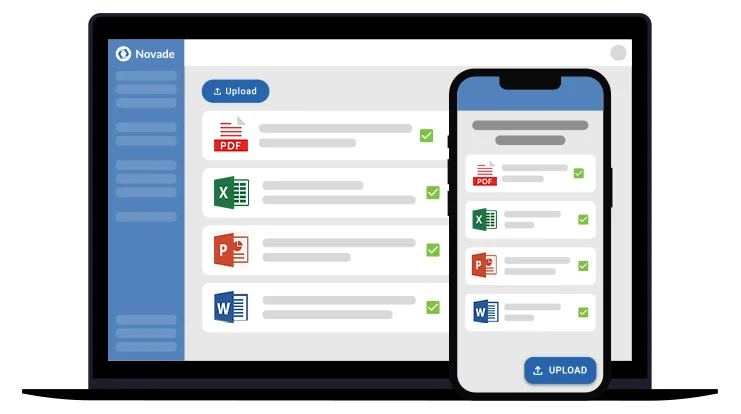
Digital lift maintenance software can make this easier. Teams can manage forms, tasks, photos, drawings and documents in one place. This helps reduce paperwork, improve visibility and maintain reliable records for inspections and audits.
Make lift maintenance compliance easier
Lift maintenance involves regular inspections, servicing and repairs. Teams need clear records of what was checked, what work was completed and what issues remain open.
Digital tools help maintenance teams standardise these processes. Engineers can complete forms on site, access technical information and record evidence of completed work from a mobile device.
This creates a clearer maintenance history for each lift and makes compliance records easier to retrieve.
Manage lift maintenance work
Digital tools help teams organise day-to-day lift maintenance and keep work moving.
Plan tasks and servicing
Schedule routine lift maintenance and assign tasks to team members. Digital workflows help teams complete servicing at the required intervals and follow up on outstanding work.
Complete inspections and repairs
Use digital forms for inspections, servicing and lift repair. Engineers can record information directly in the field and maintain consistent records for each asset.
Capture photos and evidence
Attach photos to inspections, repairs and maintenance records. This provides clear evidence of asset condition and completed work.
Give teams access to technical information
Provide mobile access to lift drawings, manuals and technical documents. Engineers can find the information they need without searching through paper files.
Improve lift servicing with reliable field data
Digital records do more than support compliance. They also give maintenance teams better data on asset condition, recurring faults and repair activity.
Managers can use this information to track lift service performance, identify recurring issues and improve maintenance planning.
For organisations responsible for many passenger lifts, consistent digital records also make it easier to compare performance across buildings and service teams.
Keep records and prove compliance
Accurate records are essential for audits, inspections and long-term asset management.
Maintain a complete service history
Record inspections, servicing, repairs and corrective actions for each lift. Teams can see what work was completed and when.
Find information quickly
Search past maintenance records when preparing for audits, inspections or repair work. This reduces time spent looking through paper files or separate systems.
Keep documents organised
Store forms, inspection reports, certificates and other documents in one place. A central record makes it easier to manage information for passenger lifts across multiple buildings.
Create clear compliance reports
Combine inspection results, maintenance records and supporting documents into clear reports. This makes it easier to prepare for audits and compliance checks.
Conclusion
Digital lift maintenance software helps teams manage inspections, servicing, repairs and compliance records in one place.
With Novade Maintenance, technicians can complete inspections, raise issues and record maintenance work directly from the field. Managers can track actions, access records and monitor maintenance activity and asset condition from one platform.
Novade also helps trade contractors manage tasks and repair work and keep documents, drawings and photos organised and accessible. This creates a clear digital record for every lift and makes ongoing maintenance easier to manage.
Related articles
HVAC service software: manage installation, commissioning and maintenance
HVAC projects involve many steps, from surveys and installation to commissioning and ongoing maintenance. Teams need to manage job details, safety checks, technical documents…