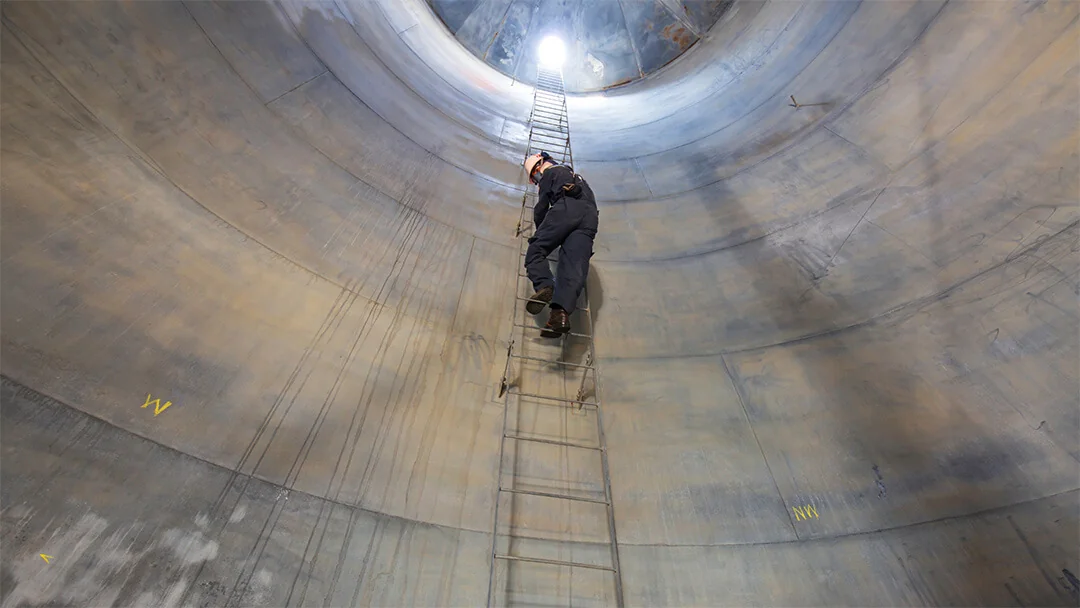
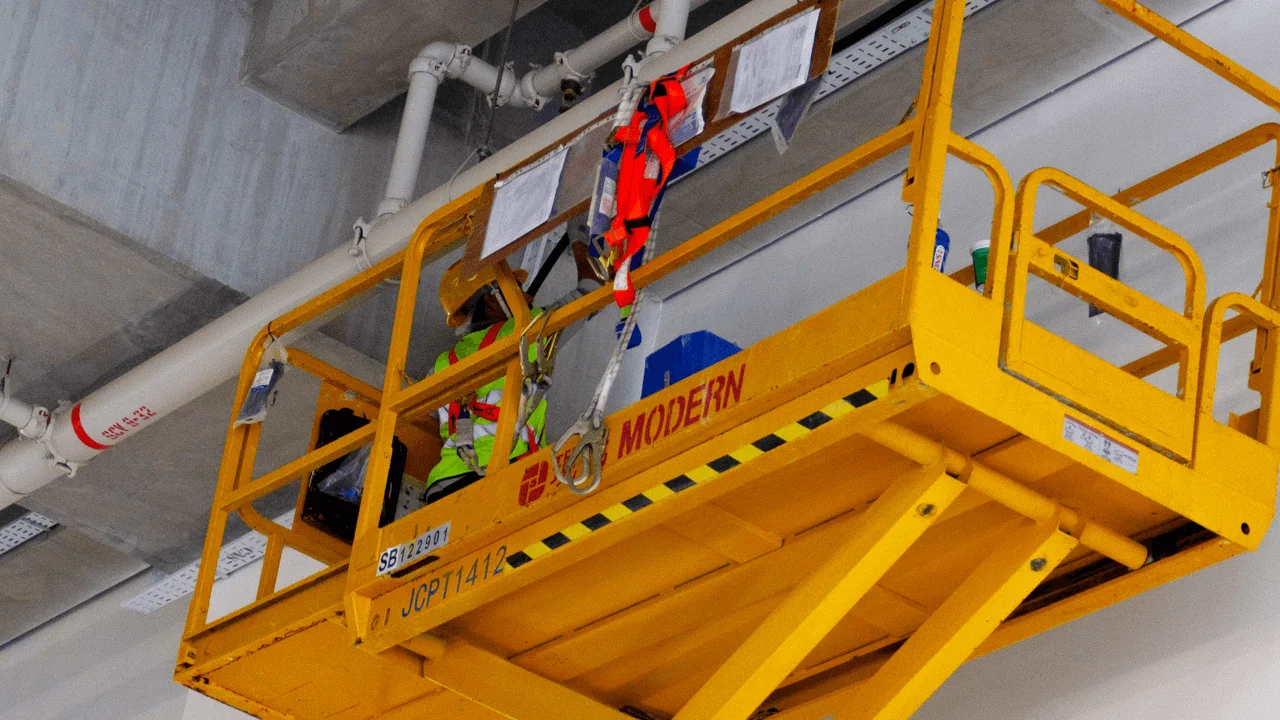
Work at height (WAH) refers to work where a person could fall from one level to another and suffer an injury. This includes work on ladders, scaffolds, platforms, roofs and mobile elevating work platforms (MEWPs), as well as work near openings, holes or fragile surfaces.
Employers must manage work at height risks to protect the workplace safety and health of workers. Key requirements may include:
- Conducting a thorough risk assessment before initiating any work at height activities
- Implementing appropriate control measures based on the hierarchy of controls
- Developing a Fall Prevention Plan (FPP) where required
- Ensuring workers receive suitable work at height training
- Providing appropriate personal protective equipment (PPE) and ensuring it is used correctly
By adhering to relevant WSH regulations and implementing robust permit to work (PTW) systems, employers can create a safer work environment.
Obtaining a Work at Height permit
A Permit to Work (PTW) system is a formal written authorisation process designed to ensure that specific high-risk tasks, such as work at height, are carried out safely and in accordance with established procedures.
The PTW system helps identify hazards, assess risks and implement control measures for the safe execution of WAH activities. It also defines the roles and responsibilities of the people involved. A comprehensive PTW system should include:
- Identification of tasks requiring a permit
- Assignment of responsible personnel for issuing and receiving permits
- A standardised permit form detailing work scope, hazards, control measures, and responsibilities
- Clear communication of permit requirements and conditions to all relevant personnel
- Effective monitoring and control of work activities to ensure compliance with the permit conditions
- Permit close-out and review process to ensure work is completed safely and lessons learned are documented
By implementing a robust PTW system and clearly defining the roles and responsibilities of the issuer and receiver, organisations can effectively manage the risks associated with work at height activities and maintain a safe work environment. To optimise the field processes, many companies today use electronic permits to work.
In addition to the completed permit application form, the documentation required for a work at height permit may include:
- Risk assessment and control measures report
- Fall Prevention Plan (FPP)
- Training and competency records of personnel involved in the work
- Inspection and maintenance records of equipment and PPE
Risk assessment and control measures
Risk assessment involves identifying hazards, evaluating WAH risks and selecting appropriate control measures to reduce the likelihood and consequences of accidents or injuries. Employers should conduct a thorough hazard identification process for managing work at height tasks, considering factors such as:
- Working surface conditions (e.g., slippery, uneven, or fragile)
- Weather conditions (e.g., rain, wind, or extreme temperatures)
- Equipment and tools used
- Complexity and duration of the tasks
Once hazards are identified, employers must evaluate the risks by considering the likelihood of an incident occurring and the potential severity of the consequences.
Employers must implement control measures based on the hierarchy of controls, which prioritises the most effective means of risk reduction. The hierarchy, in order of preference, is:
- Elimination: Remove the hazard where possible, for example by completing the task at ground level.
- Substitution: Replace the hazard with a safer alternative.
- Engineering controls: Use physical measures such as guardrails or platforms.
- Administrative controls: Use work procedures, work at height training, planning and supervision.
- Personal protective equipment: Use harnesses, helmets and other protection equipment as the last line of defence.
By conducting thorough risk assessments and implementing suitable control measures, employers can effectively manage the work at height risks and ensure a safer work environment.
Fall prevention and protection
Fall prevention planning aims to eliminate or reduce the risk of falls during work at height activities. Key strategies include:
- Designing the workplace to minimise the need for work at height
- Implementing appropriate risk control measures (e.g., guardrails, toe boards, or platforms)
- Establishing and enforcing safe work procedures
PPE serves as a last line of defence to protect workers from falls. Common PPE for work at height includes:
- Full-body harnesses
- Lanyards with energy absorbers
- Fall arrest systems, such as retractable lifelines
Employers must provide suitable PPE, ensure its proper usage, and regularly inspect and maintain it.
By implementing effective fall prevention strategies and providing appropriate PPE, employers can reduce the risk of falls and ensure the safety of workers who are required in managing work at height activities.
Training and competency requirements
Proper training is essential to ensure the safety of workers involved in managing work at height activities. Employers must ensure that all relevant personnel receive appropriate training, which may include work at height courses for workers, supervisors and assessors. Here is an example of a short video that can be shared with employees on site during the induction process or toolbox meetings.
Supervisors, assessors and trainers must have the competencies and qualifications needed for their roles. Suitable work at height training, successful completion of required courses and ongoing competency checks help organisations improve workplace safety and meet regulatory requirements.
Inspection and maintenance of equipment
Regular inspection and maintenance help ensure that equipment used for work at height remains safe and reliable. They also reduce the risk of equipment failure, accidents and injuries.
Employers should establish inspection procedures that include:
- Pre-use inspections: Conducted by workers before using any equipment, such as ladders, scaffolds, or fall protection systems
- Periodic inspections: Performed by competent and responsible persons at regular intervals, as specified by the manufacturer or regulatory requirements.
Maintenance procedures should involve:
- Following manufacturer guidelines for maintenance and repairs
- Regularly checking equipment for wear, damage, or defects
- Removing faulty equipment from service until properly repaired or replaced
By implementing systematic inspection and maintenance procedures, employers can ensure the safety and reliability of equipment used in managing work at height activities, reducing the risk of accidents and promoting a safer work environment.
Managing work at height permits digitally
Digital permits to work can make it easier to manage work at height activities. They streamline permit applications, support faster approvals and provide real-time visibility of active work.
Permit to work software also makes it easier to update work conditions, extend permits and keep records current. This can reduce paperwork, improve compliance tracking and give relevant personnel faster access to critical safety information.
Using digital solutions to manage work at height, together with effective risk assessment, planning and supervision, can improve safety and simplify permit processes. Digital PTW systems help organisations maintain accurate records, coordinate high-risk tasks and support improved compliance.