
Construction safety compliance has become increasingly complex. Contractors must manage risk assessments, permits to work, inspections, audits, workforce competency requirements and regulatory obligations across multiple projects simultaneously. While most organisations have well-defined safety procedures, ensuring that these controls are consistently implemented in the field remains a major challenge.
Construction safety compliance software helps organisations manage workplace safety by digitising HSE processes, improving visibility, reducing risk and ensuring compliance. By replacing paper forms, spreadsheets and disconnected systems, safety compliance software reduces administrative work and gives teams better visibility of field activities. More recently, advances in analytics and artificial intelligence are creating new opportunities to move beyond compliance management towards proactive safety intelligence.
Why construction safety compliance software has become essential
The expectations placed on construction organisations have increased significantly over the past decade. Regulators, clients, insurers, and project stakeholders now expect greater transparency, stronger governance, and more rigorous safety controls throughout the project lifecycle.
At the same time, safety teams are often responsible for managing compliance across multiple projects, contractors, and work activities. Manual processes make it difficult to maintain consistency, respond quickly to issues and demonstrate compliance when required.
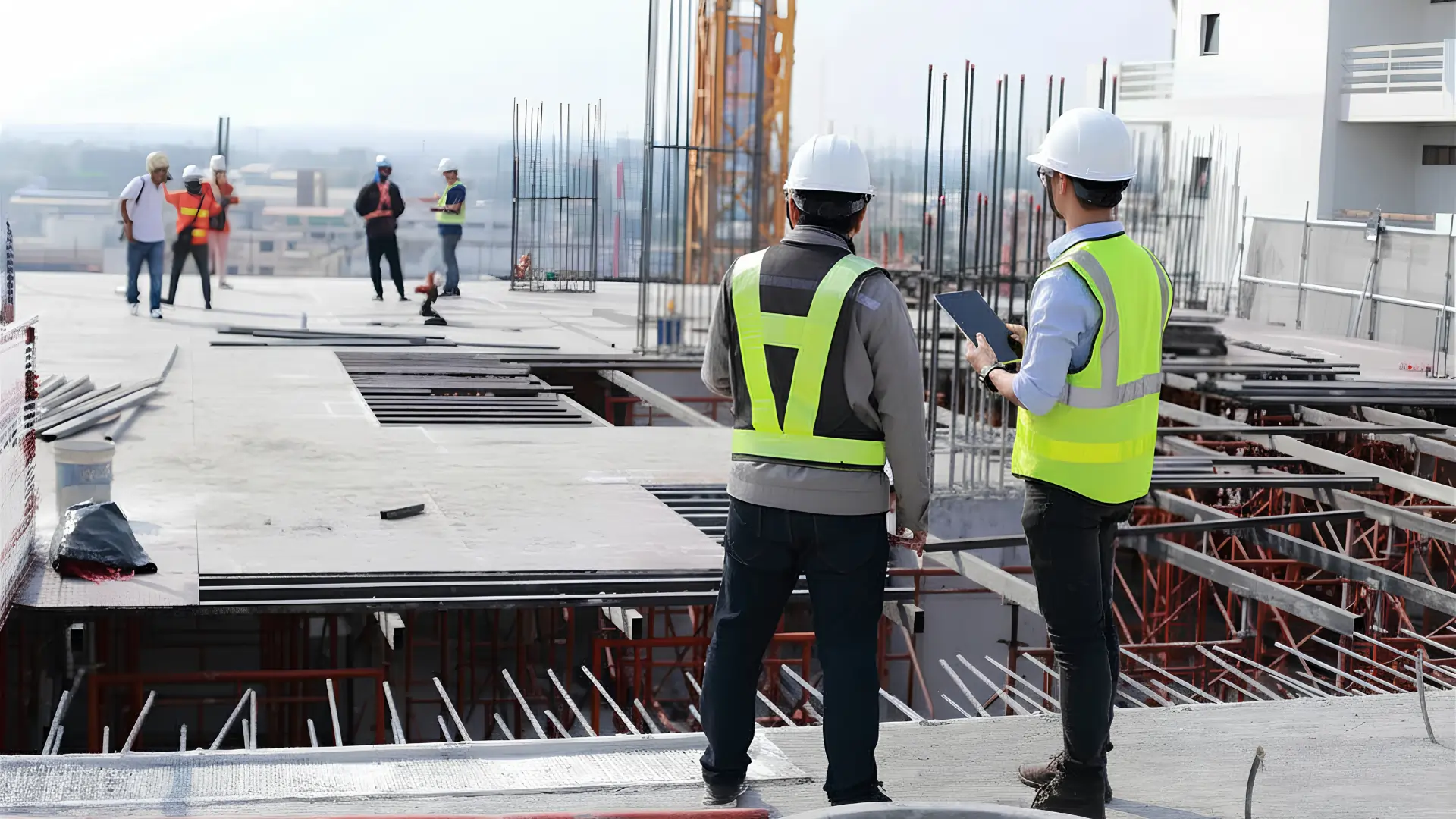
Construction safety management software addresses these challenges by digitising workflows, standardising processes, and providing a single source of truth for safety information. Risk assessments, permits to work, safety inspections, audits, observations, incidents and corrective actions can all be managed within one platform. This makes it easier for organisations to manage workplace safety, improve accountability and maintain consistent processes across projects. For organisations with broader environmental health and safety responsibilities, a common platform can also help connect safety, environmental and operational information.
Key features of construction safety compliance software
Digital risk assessments
A key feature of safety compliance software is the capacity to conduct and manage risk assessments. Digital risk assessments help teams identify hazards, assess risks, define control measures and keep an auditable record of the process. This helps safety managers make informed decisions and ensure that appropriate controls are in place before work begins.
Mobile safety management
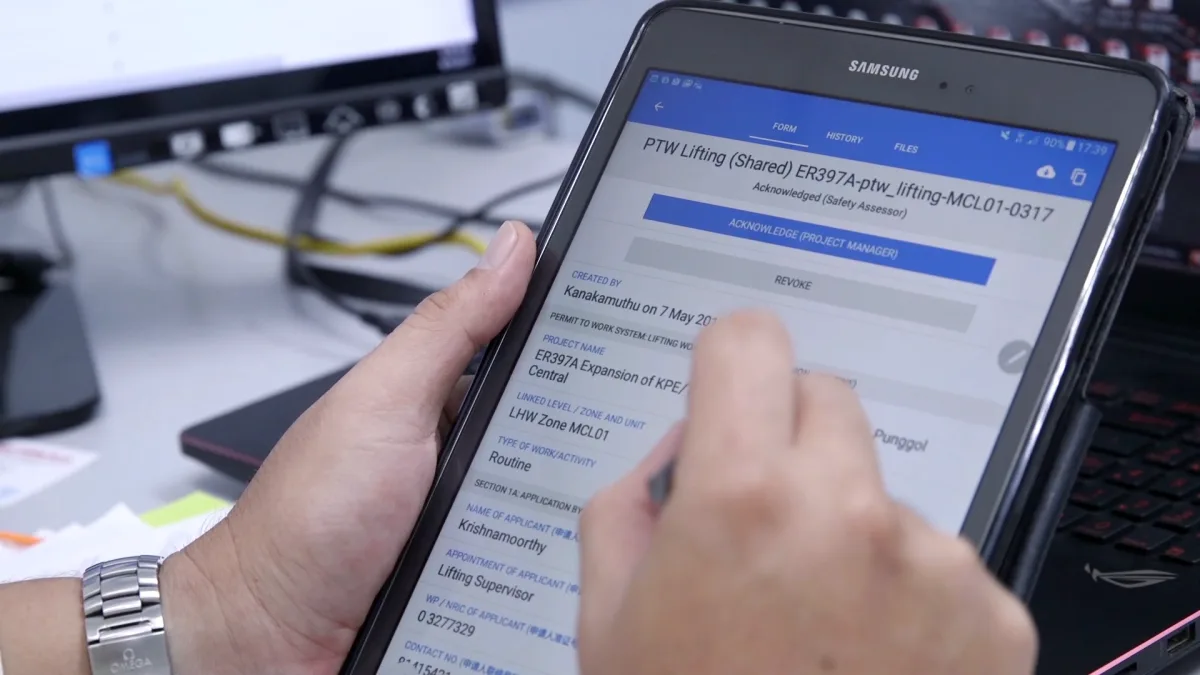
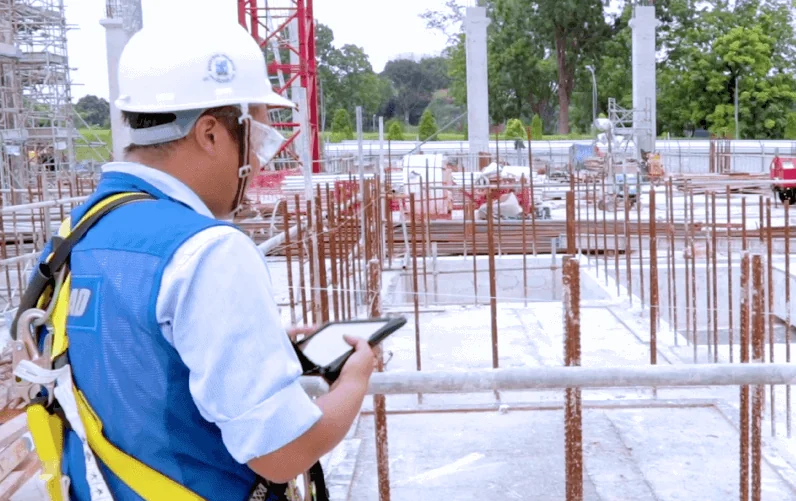
Safety processes need to work where construction work happens: in the field. Mobile applications allow workers and supervisors to complete safety checks, access procedures, record observations and report issues from a phone or tablet. Information is available as soon as it is captured, rather than waiting for paper forms or spreadsheets to reach the safety team. Making these everyday tasks easier is an important part of effective health and safety management.
Real-time construction site monitoring
Modern safety compliance software gives safety teams greater visibility over field operations. It can be used to manage employee orientation programs, toolbox talks, and workforce credentials. Where operations require work permits, the software can keep track of all permits and check that the appropriate controls and approvals are in place. During safety inspections and audits, teams can track issues and corrective actions. IoT devices and wearables can provide additional real-time information on health, safety and environmental conditions.
Near-miss and incident reporting
Near-miss and incident management is another important part of safety compliance software. Mobile reporting allows workers and supervisors to record incidents and near misses quickly, including photos, locations and other relevant information. Safety managers can then investigate causes, identify trends and take corrective action. Encouraging workers to report near misses and unsafe conditions also helps create shared responsibility for safety. Over time, this data can reveal recurring hazards and early indicators of increased risk.
Dashboards and analytics tools
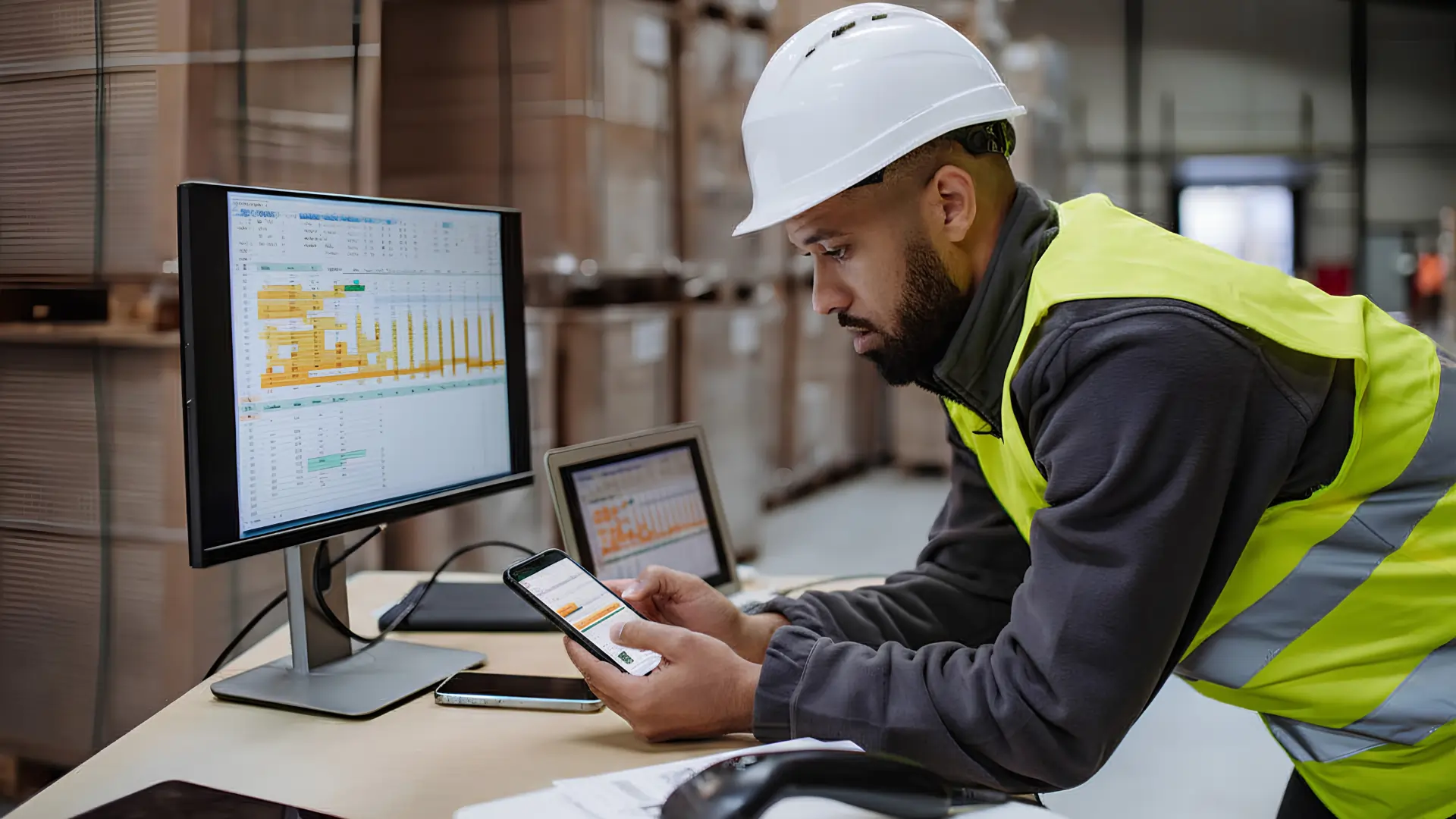
Dashboards and analytics tools bring together data from sources such as real-time monitoring, inspections, incidents and historical trends. This allows users to monitor key performance indicators (KPIs), track progress toward goals, and identify possible risks. This gives organisations a clearer view of safety performance and supports better decision-making. Dashboards also give operational teams and management a common view of safety performance and emerging risks.
Selection criteria for safety compliance software
Choosing the right safety solution is essential for managing health and safety compliance. It must fit your company’s unique needs and processes. Organisations should consider the vendor’s experience as well as the following key areas:
Ease of use
A simple user experience is particularly important for field-based systems. The application should work on common mobile devices and allow workers to complete routine safety tasks with minimal training. Offline capability is also important in locations with limited connectivity. Simpler processes encourage greater adoption and help improve the quality of field data.
Configuration
Every construction project can have different safety and compliance requirements. Safety software therefore needs to adapt to company standards, project workflows and local regulations. A basic template following regulations is a good starting point. However, the system must allow full configuration to match the way people work. The aim is to standardise processes without making them unnecessarily rigid.
Integration
To effectively use safety software, it must work well with your existing systems. This is especially true with your Human Resources (HR) system to track safety training and certifications for workers. It should also connect easily with your asset management system for managing safety equipment usage and maintenance. These integrations can improve operational efficiency and provide a more unified approach to safety management.
Scalability
As an organisation adds employees, projects or new markets, its safety platform needs to grow with it. The system should handle increasing volumes of users, projects and safety data without affecting performance. For large contractors, this means being able to standardise health and safety management across many projects while accommodating local requirements.
Training and support
Training plays an important role in successful implementation. Workers need to understand the processes relevant to their roles, while administrators need to know how to configure and manage the system. Organisations should also consider the vendor’s construction expertise, implementation capabilities and ability to support multiple countries or business units.
Trends in construction safety compliance safety software
Several developments are changing how organisations manage construction safety and compliance.
More targeted safety training
A significant trend in safety software is the development of tailored content. Tailored training makes learning more relevant and engaging for employees. Role-specific scenarios, case studies and real-life examples can help workers understand how safety requirements apply to their daily activities. Advancements in e-learning technology further enhance this trend. Companies can swiftly update training materials to align with new regulations and best practices.
Video analytics for safety monitoring
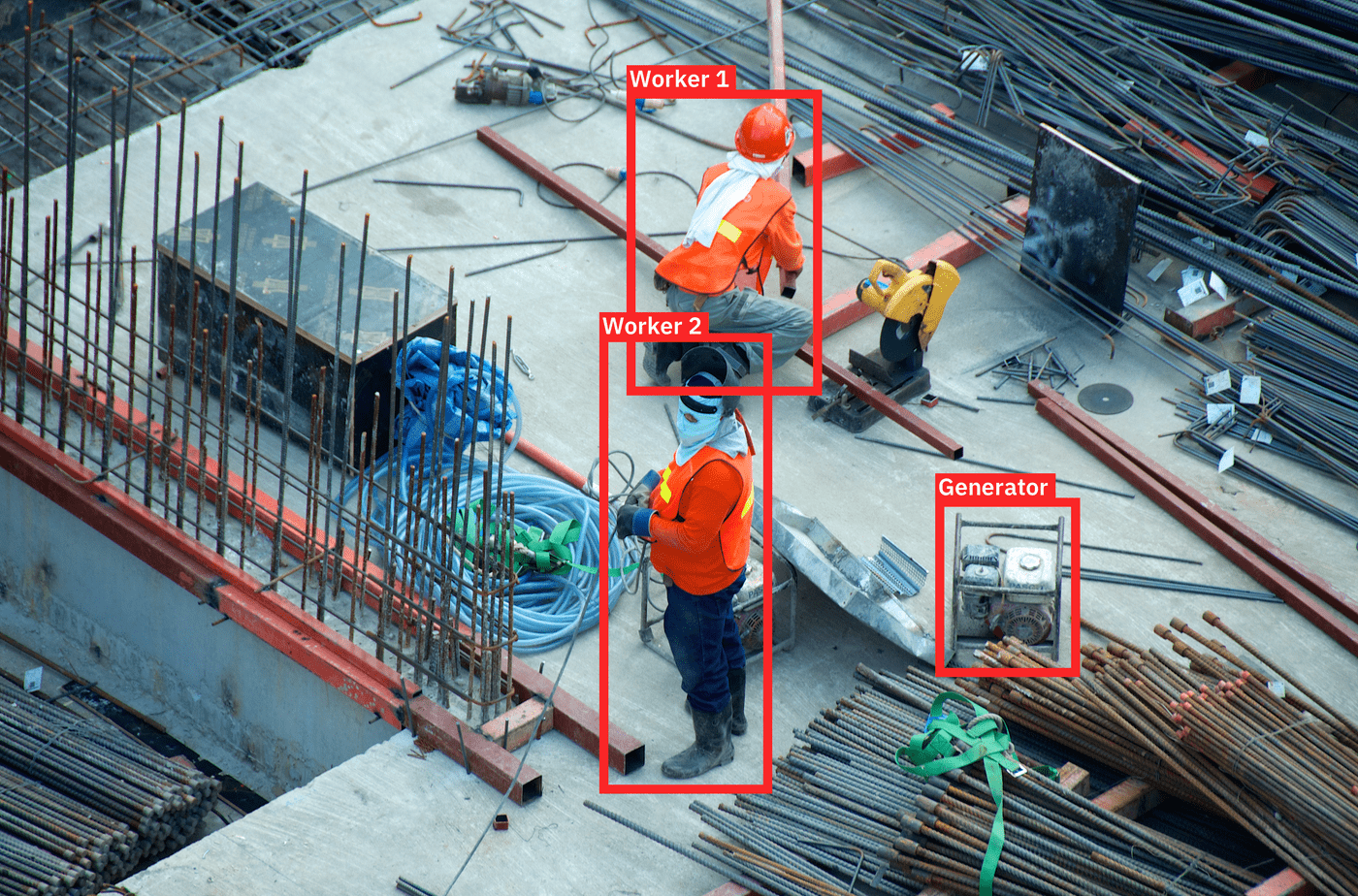
Video analytics can help identify potentially unsafe situations using feeds from site cameras. For example, systems may detect unauthorised entry into restricted areas, missing personal protective equipment or unsafe proximity between workers and moving equipment. These systems are developing rapidly, but wider adoption depends on accuracy, reliability and appropriate data privacy controls. They should also be implemented in a way that avoids intrusive worker monitoring. Some of the companies operating in this space include Invigilo and Ailytics.
AI to identify and prevent safety risks
AI safety software can analyse large volumes of operational data. By identifying patterns that would be difficult to detect manually, AI can help organisations detect emerging risks and focus attention where it matters most. For example, AI may identify increasing permit breaches, declining observation rates, recurring unsafe behaviours, or other early warning signs that warrant further investigation. This helps teams prioritise interventions and focus resources on the areas that require the most attention.
The future: From compliance management to compliance intelligence
The next generation of health and safety software is moving beyond documentation towards connected risk management. Risk assessments, permits, inspections, observations, workforce activities and incidents can increasingly be connected instead of being managed as separate processes.
This creates a continuous feedback loop. Rather than simply asking whether a safety process was completed, organisations can assess whether the control was effective and whether the underlying risk is changing.
Artificial intelligence will play an important role in this transformation. By analysing large volumes of operational data, AI can identify patterns, detect emerging risks and highlight areas where safety performance may be deteriorating. For example, a system may identify recurring permit breaches, declining observation rates, increasing near misses or unusual combinations of events that warrant further investigation. Safety teams can then spend less time collecting information and more time acting on it.
The focus shifts from documenting compliance to understanding how effectively safety controls are working. The ultimate goal is not simply to prove that procedures were followed, but to give teams the information they need to identify risks earlier, prioritise interventions and continuously improve safety outcomes.
This is the shift from compliance management to compliance intelligence.
Conclusion: The increasing importance of safety compliance software
In high-risk industries, safety compliance software is becoming a vital part of a company’s strategy.
With safety compliance software, organisations can identify and reduce potential risks, improve visibility across projects, and ensure that critical safety processes are consistently implemented. As analytics and artificial intelligence capabilities mature, these platforms are also helping safety teams identify emerging risks earlier and focus their attention where it matters most.
Used effectively, safety compliance software can strengthen health and safety compliance, reduce incidents and give organisations a more consistent approach to managing safety across projects. Combined with better field data and AI-driven insights, it can help safety teams move from reactive compliance towards more proactive risk management.

10 reasons to adopt an electronic Permit To Work system (ePTW)
Learn the top 10 reasons why construction companies should implement a digital Permit to Work system (ePTW) with Novade’s digital platform.

Introduction to safety management system
A safety management system provides a structured approach to maintaining a safe, compliant and efficient workplace. In this overview, we will explore what a…
5 reasons to adopt a digital toolbox meeting system
Discover how transitioning to a digital toolbox meeting can enhance safety practices and efficiency on construction sites.