

A safety management system provides a structured approach to maintaining a safe, compliant and efficient workplace. This guide explains what a safety management system is, why it matters and how its core elements work across different industries. It also covers common challenges, digital tools and practical steps for implementation.
What is a Safety Management System (SMS)
A safety management system is a set of policies, procedures and tools designed to protect workers, reduce risks and comply with regulations. It provides a structured framework for preventing accidents and creating a safer working environment. Clear processes, responsibilities and controls help organisations identify hazards and respond effectively to safety issues. In practice, an SMS helps organisations take a consistent approach to managing safety and embed it into daily operations.
Why a Safety Management System matters
Having a safety management system in place offers multiple benefits:
- Protects people
A well-implemented safety management system helps employees, contractors and visitors work in a safer environment by reducing exposure to workplace hazards and risks. - Reduces costs
Fewer incidents can reduce costs associated with downtime, claims, investigations and non-compliance. A proactive approach can also help reduce the risk of disruption and support effective safety management. - Supports regulatory compliance
Organisations must comply with applicable occupational health and safety laws and regulations in the countries where they operate. A structured safety management system helps establish responsibilities, assess risks, maintain records and monitor safety performance. International standards such as ISO 45001 can provide a framework for managing occupational health and safety systematically. - Improves company reputation
Clients and partners value organisations that prioritise staff well-being. A strong safety record can lead to more business opportunities by demonstrating a transparent and reliable approach to health and safety.
Safety Management System: Plan, Do, Check, Act
The Plan, Do, Check, Act approach provides a structured framework for managing occupational health and safety and driving continuous improvement. It is also used within international management standards such as ISO 45001.
1. Plan
Set the direction for health and safety. Establish policies, define responsibilities, identify significant risks and decide how those risks will be managed. Set clear safety objectives and measurable targets to turn commitments into practical action.
2. Do
Put effective arrangements into practice. Identify hazards, assess risks, implement appropriate control measures and ensure people have the skills, knowledge, training and resources needed to work safely. Key steps include:
- Hazard Identification: Spot hazards through site inspections, reporting tools and regular feedback.
- Risk Assessment: Evaluate the likelihood and impact of potential incidents and understand the level of safety risk.
- Control Measures: Introduce protective equipment, safe work methods or engineering solutions to control hazards and reduce the risk of harm.
Training, communication and employee engagement also support safety promotion and help build a stronger safety culture.
3. Check
Monitor safety performance to understand whether controls and management arrangements are working effectively. Key activities include:
- Audits & Inspections: Formal reviews that confirm compliance and uncover gaps.
- Performance Monitoring: Track incidents, near-misses and other safety metrics.
- Safety Assurance: Confirm that controls and processes are working as intended.
- Continuous Improvement: Update procedures and training based on findings and best practices.
4. Act
Review health and safety performance and take action on lessons learned. Use a regular review process to update procedures, controls and training when needed. Findings from incidents, inspections, audits and performance data can then help organisations continually improve their approach.
Why different industries need a tailored approach
Even though the principles of effective safety management are broadly applicable, each industry faces unique risks and regulatory requirements. A safety management system should therefore reflect the specific working environment.
- Building Construction: Projects often involve changing site conditions and multiple contractors. This increases the need for coordination, communication and effective risk management.
- Infrastructure: Work typically occurs in public areas like roads, railways, or bridges, so safety measures must protect both workers and the public.
- Energy: High voltages, pressurised systems and hazardous materials require rigorous control measures and clear emergency response plans.
- Utilities: Supplying essential services such as water, gas and electricity requires reliable operations, thorough maintenance and fast responses to safety incidents.
- Manufacturing: Assembly lines and heavy machinery need strict guarding systems, ergonomic considerations and regular inspections to prevent equipment failures
- Industrial Sites: Large-scale operations and complex equipment create significant risks. Regular audits help identify safety issues early and maintain safe working conditions.
Common challenges in implementing a Safety Management System
Resistance to change
Employees may be hesitant to adopt new processes or report near-misses if a transparent safety culture is not already in place.
Inefficient communication channels
If hazard reports and corrective actions are delayed, important health and safety information may not reach the right people in time.
Data overload & complexity
Large projects and sites generate substantial amounts of safety data, from inspections and audits to incident reports.
Lack of continuous improvement
Safety is an ongoing process. Without feedback and regular review, procedures can quickly become outdated.
How digital tools support safety management
A digital safety management platform provides a centralised way to manage safety processes and data. For construction teams, it can connect risk assessments, inspections, toolbox talks, permits to work, incident reporting and corrective actions. Key benefits include:
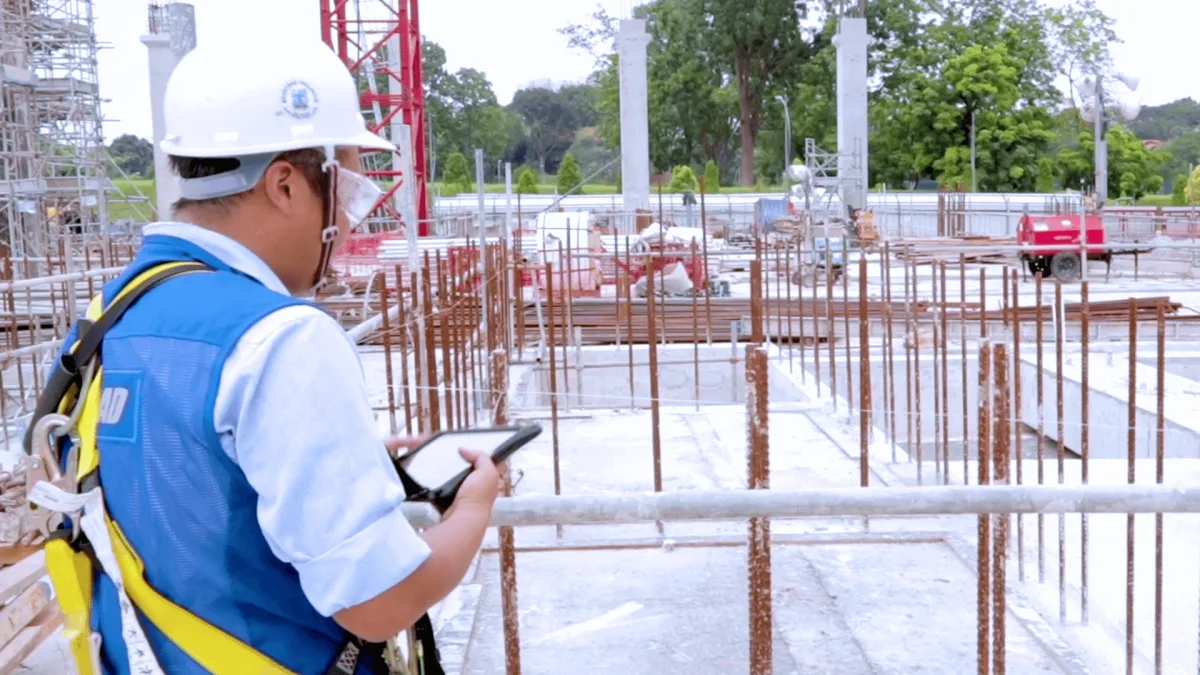
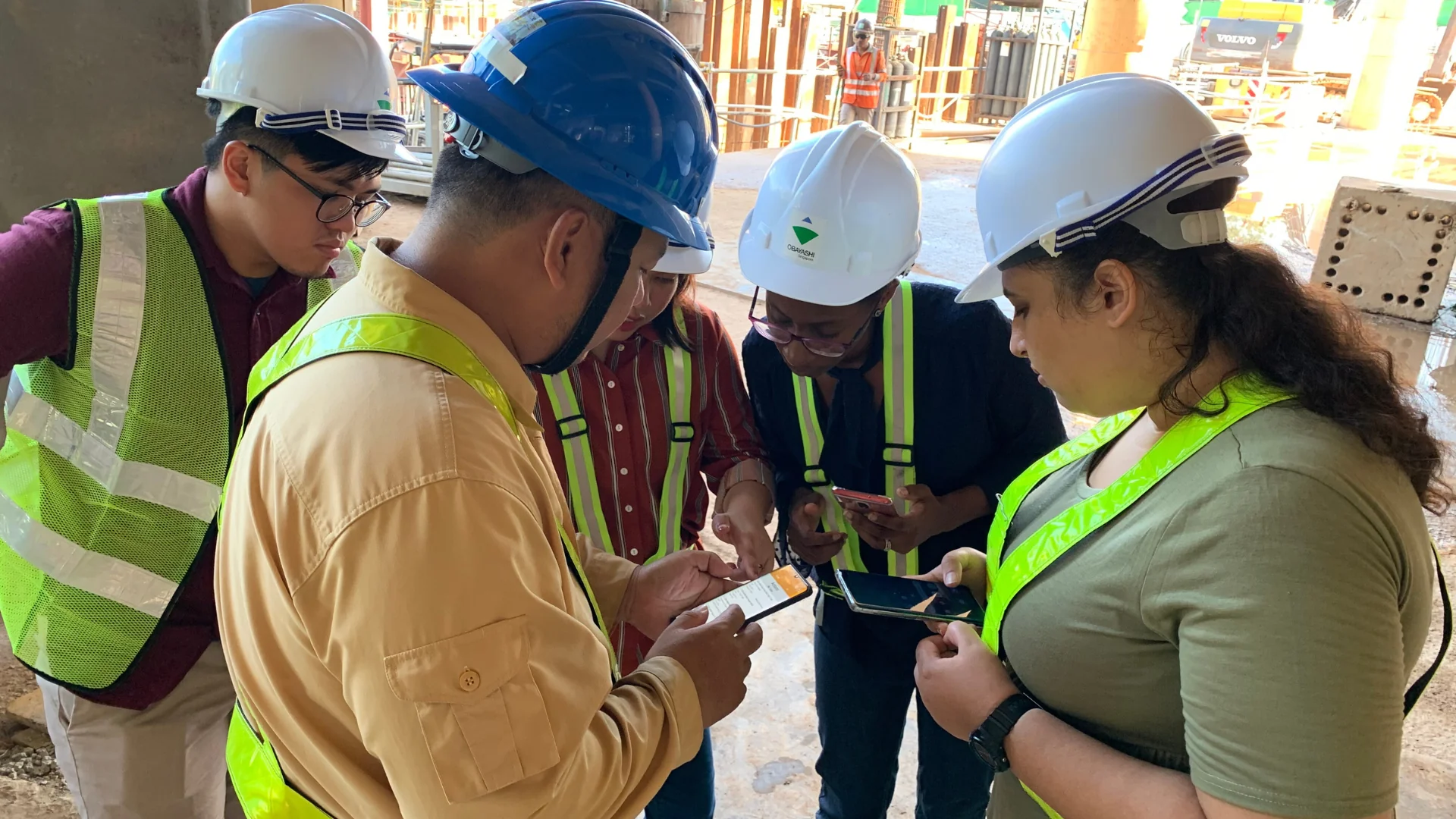
- Accessibility: Mobile apps enable frontline operators and site managers to report hazards, near-misses and incidents in real time, helping teams respond faster.
- Time-saving: Automating tasks such as inspections, alerts and follow-ups saves time and reduces manual errors.
- Centralised records: Storing all safety documents in one place simplifies compliance checks and audits.
- Continuous improvement: Digital platforms can help teams identify trends and patterns in safety data, support corrective actions and improve safety over time.
Digital platforms can also support different safety management systems by connecting field processes, reporting and analytics.
Novade construction safety software helps organisations digitise safety workflows and maintain consistent safety data across sites and projects. Teams can also manage safety inspections and permits to work within connected digital processes.

Best practices for adopting a digital Safety Management System
- Involve all stakeholders early: Engage executives, managers, supervisors and frontline workers when selecting and rolling out a new system.
- Prioritise training and onboarding: Make sure users understand both how to use the platform and how it supports better health and safety outcomes.
- Set clear KPIs: Identify specific safety metrics to track (e.g., incident frequency, near-miss reporting rate, training completion rate) and use the platform to track progress against your safety objectives.
- Regularly review and update: Technology and regulations evolve. Use a regular review to check whether processes still meet current requirements and business needs.
Conclusion
A safety management system provides a structured framework for organisations to protect people, manage risks, support regulatory compliance and continually improve safety performance. Using Plan, Do, Check, Act helps organisations integrate health and safety into everyday management and provides a clear structure for safety risk management.
Digital safety solutions can strengthen these efforts by providing real-time data, streamlined reporting and actionable insights. Novade construction safety software helps organisations manage field safety processes including risk assessments, inspections, permits to work, incidents and corrective actions, while providing consistent safety data across projects.
By connecting these processes, organisations can make better decisions and improve safety performance across projects.
Related articles
10 reasons to adopt an electronic Permit To Work system (ePTW)
Learn the top 10 reasons why construction companies should implement a digital Permit to Work system (ePTW) with Novade’s digital platform.
5 reasons to adopt a digital toolbox meeting system
Discover how transitioning to a digital toolbox meeting can enhance safety practices and efficiency on construction sites.

9 reasons to digitise your Safe Work Method Statements
Discover 9 reasons why construction companies should digitise their method statements with Novade’s digital platform. Accelerate your digitalisation journey today.